
Ledger.com/Start® | Official Ledger® Wallet Setup
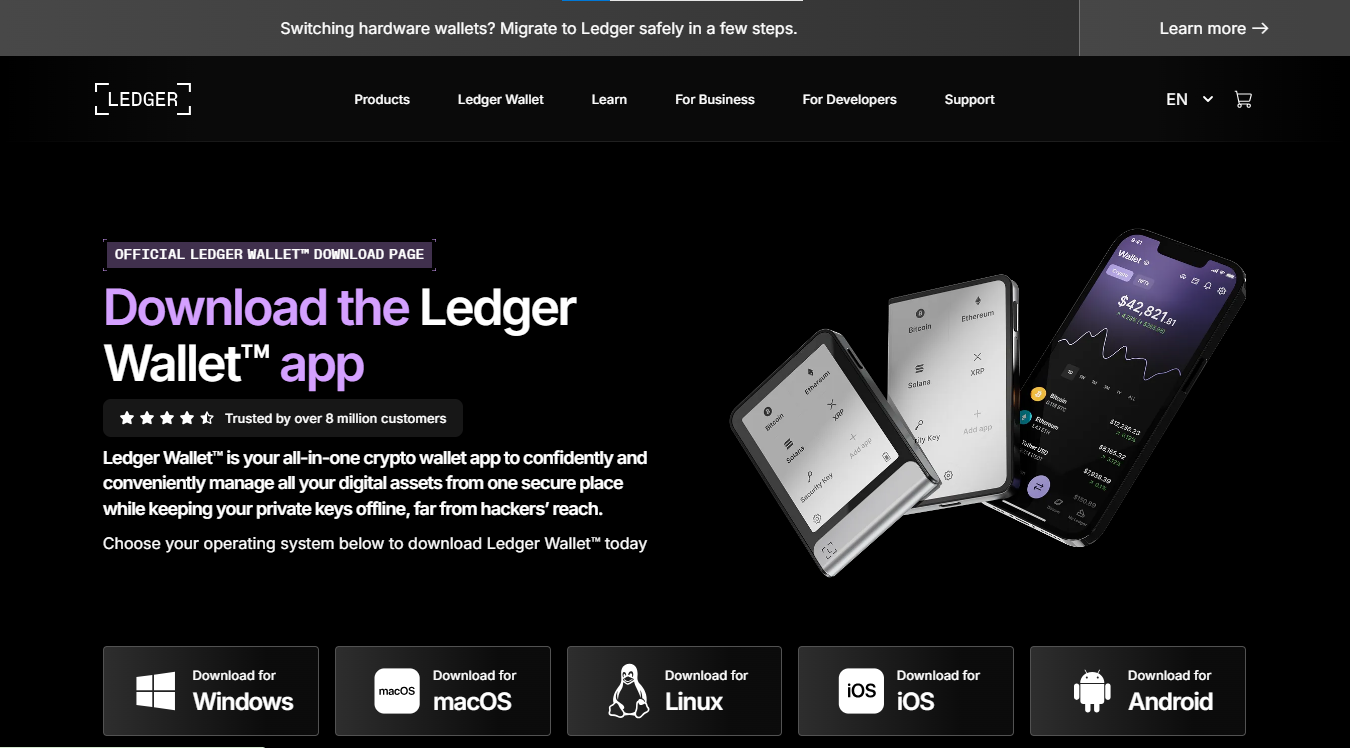
Ledger.com/start: A Simple Guide to Setting Up Your Ledger Wallet
Getting started with a hardware wallet can feel unfamiliar, especially if you are using one for the first time. Ledger.com/start is commonly associated with the setup process for Ledger hardware wallets, helping users understand the steps involved in preparing their device and getting started with digital-asset management.
For security reasons, users should always verify that they are visiting the legitimate Ledger website rather than relying on links received through unsolicited emails, messages, advertisements, or social media posts.
What Is Ledger.com/start?
Ledger.com/start is a starting point for Ledger hardware-wallet setup information. A Ledger device is designed to keep private keys protected while allowing users to interact with supported blockchain applications and assets.
During setup, the device generally needs to be initialized, connected to the appropriate Ledger software, and secured with information such as a PIN and recovery phrase. The exact screens and options can vary depending on the Ledger device and current software version.
How to Begin With a Ledger Device
Before starting, place your Ledger device on a secure surface and make sure you have enough time to complete the setup without distractions.
A typical setup involves these general stages:
Verify the device and website – Make sure you are using official Ledger resources.
Install the required Ledger software – Use the current official version appropriate for your computer or mobile device.
Connect your Ledger device – Follow the on-screen instructions for your particular model.
Create a PIN – Choose a PIN that is difficult for others to guess and never disclose it.
Record the recovery phrase – Write the words down exactly as displayed by the device.
Complete verification – Some setup procedures ask you to confirm selected recovery words.
Add supported accounts – Once setup is complete, you can use the relevant Ledger software to manage supported assets.
Why the Recovery Phrase Matters
The recovery phrase is one of the most important parts of a hardware-wallet setup. It can be used to restore access to cryptocurrency accounts if the physical device is lost, damaged, or replaced.
Never type your recovery phrase into a website, online form, email, chat, or unknown application. Legitimate support should not require you to reveal it. Anyone who obtains the recovery phrase may potentially gain control over assets associated with it.
For this reason, store the phrase privately and protect it from unauthorized access, loss, and physical damage.
Ledger.com/start Security Tips
Security should remain the priority throughout the setup process. Avoid searching for random wallet-support pages and entering sensitive information into websites that merely look legitimate.
Be particularly cautious about messages claiming that your wallet is locked, your account requires urgent verification, or your recovery phrase must be entered to resolve a problem. These are common warning signs of phishing attempts.
Also remember that your PIN and recovery phrase are different. Your PIN protects access to the physical device, while the recovery phrase is used for wallet recovery.
Managing Your Wallet After Setup
After initialization, Ledger software can provide a convenient interface for managing supported accounts and digital assets. Users should keep their device firmware and related software updated through official channels when updates are available.
It is also useful to review transaction details carefully before approving them on the hardware device. Do not approve an unfamiliar transaction simply because an application or website tells you to do so.
Final Thoughts
Ledger.com/start can serve as a useful entry point for people beginning their Ledger hardware-wallet journey. The most important principles are straightforward: use official resources, protect your PIN, keep your recovery phrase private, verify transactions before approving them, and remain alert to phishing attempts.
Updated about 3 hours ago